

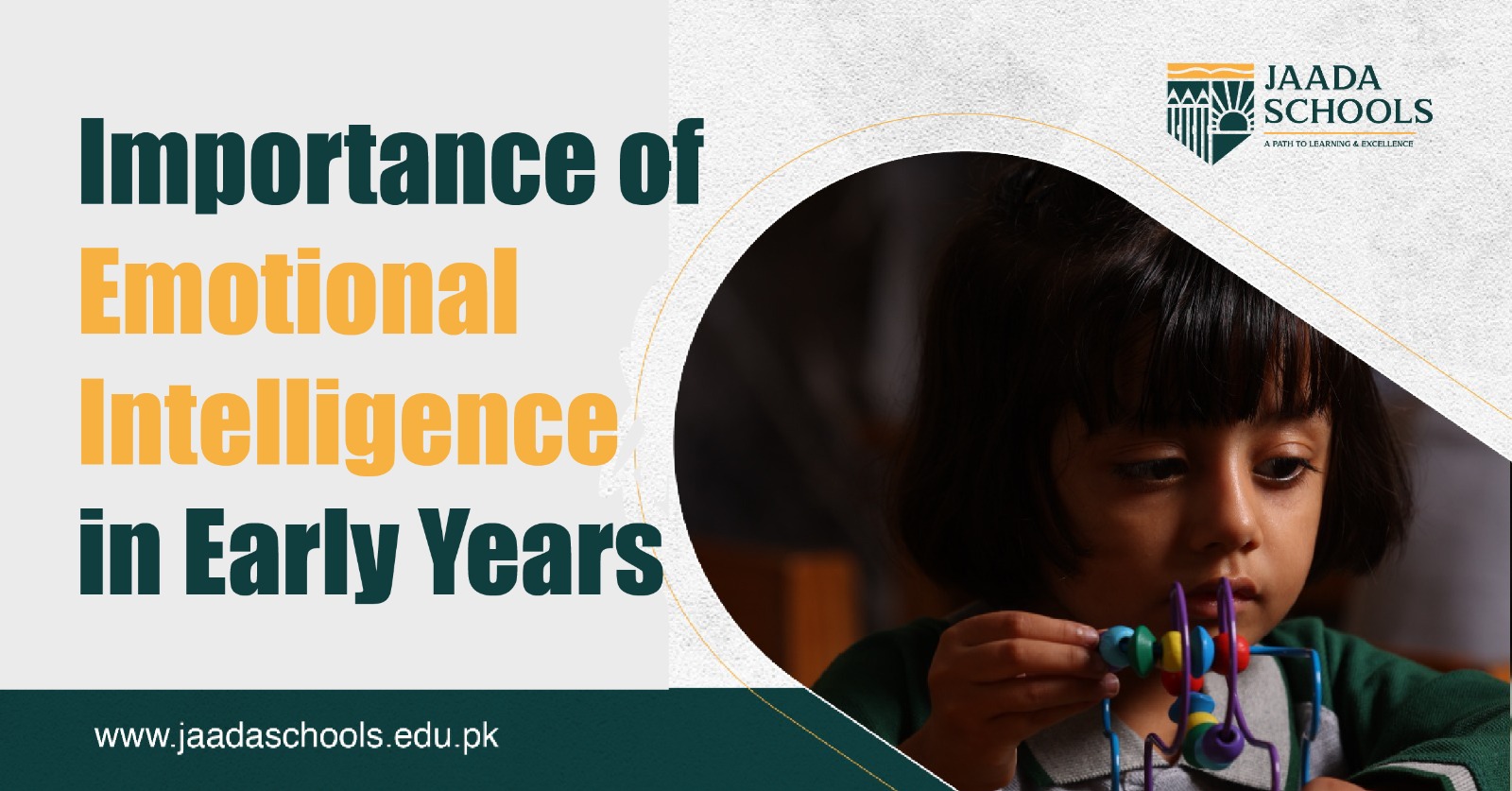
Summary: Early childhood is one of the most important stages for a child’s growth. During this time, children develop not only academically but also emotionally. Emotional intelligence plays a key role in shaping a child’s personality, relationships, and future success.
——————————————————————————————————————————————————————————————————————————————-
Why Emotional Intelligence Matters in the Early Stages of Life?
What is Emotional Intelligence? | Emotional Regulation | Mental Well-Being
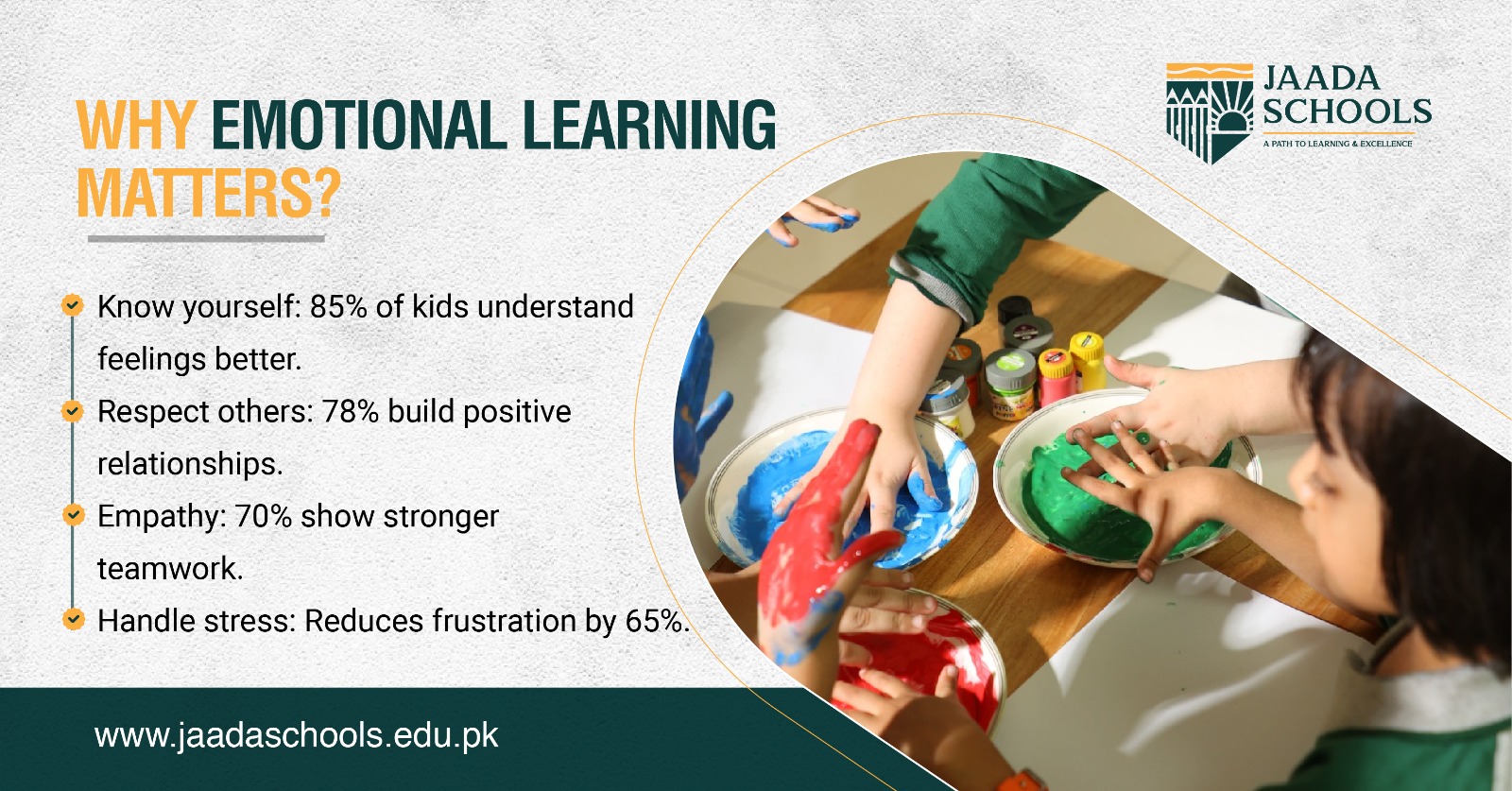
Parents often wonder how to help children manage feelings, build empathy, and develop social skills. Focusing on emotional learning early allows children to express themselves confidently, handle challenges, and form healthy relationships. In fact, understanding what emotional intelligence is is the first step toward nurturing well-rounded children.
Emotional intelligence is the ability to recognize, understand, and manage one’s emotions while understanding the emotions of others. Children with strong emotional intelligence handle stress better, communicate effectively, and show empathy toward peers.
Emotional development in children starts from a very young age. It helps them understand feelings, develop healthy relationships, and respond appropriately in social situations. Emotional growth is closely linked to academic performance and overall happiness.
Key Benefits Of Emotional Intelligence For Students
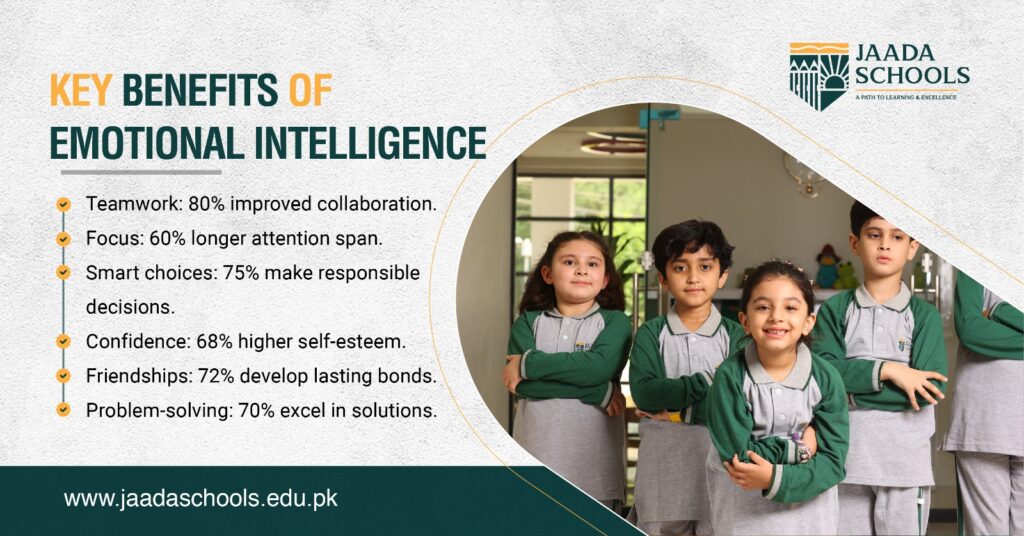
Emotional intelligence is one of the most important skills children can develop during their school years. It goes beyond academic knowledge and helps students navigate their emotions, understand others, and build strong, meaningful relationships. By fostering emotional intelligence, children become more resilient, confident, and prepared for life challenges. Emotional intelligence preschool is really important for children. Parents and teachers who focus on emotional growth give students a solid foundation for both personal and academic success.
Improving Empathy Development And Social Skills
Developing empathy is crucial for children to connect with others meaningfully. When students learn how to develop empathy in students, they start to understand and respect the feelings of those around them. Activities such as sharing, teamwork exercises, and role-playing allow children to practice compassion and active listening. Strong social skills not only make students more likeable but also help them succeed in collaborative settings, both in school and in later life.
Effects Of Emotional Intelligence On Academic Success
The effects of emotional intelligence extend far beyond social interactions. Students who can recognize and manage their emotions are better equipped to concentrate, set goals, and stay motivated. Emotional intelligence helps children handle stress, overcome setbacks, and approach challenging subjects with a calm and positive mindset. By learning to balance their emotions and maintain self-discipline, students often achieve higher grades, participate actively in class, and engage in problem-solving with confidence.
Enhanced Decision-Making Skills
Students with strong emotional intelligence are better decision-makers. They can weigh their emotions alongside facts, think critically, and anticipate consequences before acting. These skills help children make responsible choices in school and everyday life, improving their overall independence and judgment. These skills form the foundation for healthy relationships, effective teamwork, and a successful future.
Boosted Self-Confidence And Resilience
Another key benefit of emotional intelligence is increased self-confidence and resilience. Children who understand their emotions and can regulate them are more willing to take risks, try new activities, and face challenges without fear. They recover quickly from setbacks and maintain a positive attitude, which supports personal growth and lifelong success. By nurturing emotional intelligence, schools and parents can ensure that students not only excel academically but also grow into empathetic, socially capable, and resilient individuals.
How To Build Emotional Intelligence In Daily Life?
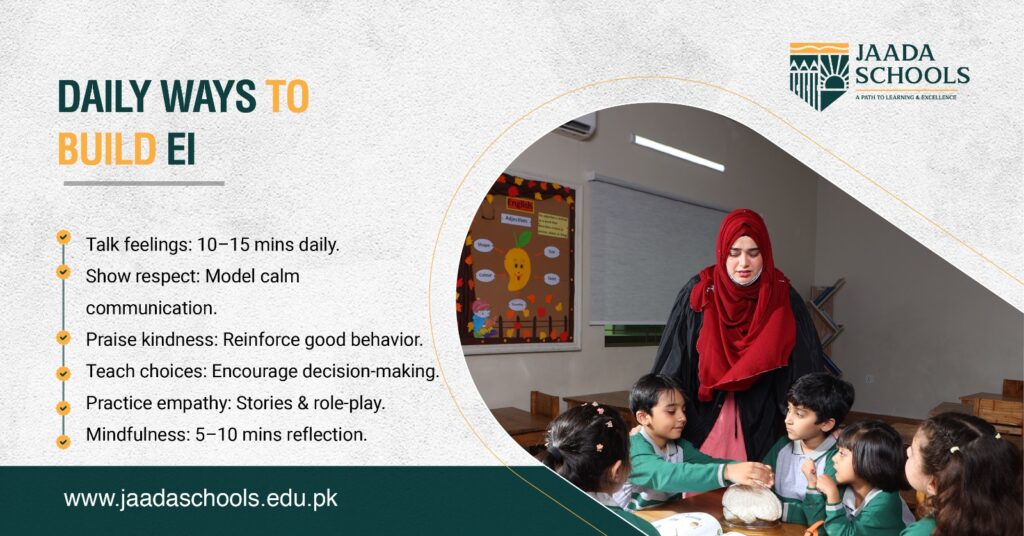
Building emotional intelligence in children is not something that happens overnight. It requires consistent effort, patience, and small, intentional actions every day. Parents, teachers, and caregivers play a vital role in helping children understand their emotions, manage reactions, and develop empathy. By incorporating simple practices into daily routines, children can gradually become more emotionally aware, socially skilled, and confident.
Some Effective Ways to Nurture Emotional Intelligence in Daily Life:
Encourage Open Conversations About Feelings:
Ask children how they feel during different situations. Listen actively and validate their emotions to help them express themselves confidently.
Model Respectful Communication
Children learn by observing. Speak calmly, show empathy, and demonstrate polite ways to handle conflicts and disagreements.
Praise Positive Behaviour
Recognise when children show kindness, patience, or teamwork. Positive reinforcement helps them understand the value of their actions.
Teach Problem-Solving Skills
Encourage children to think about solutions when faced with challenges. Discuss options, consequences, and ways to make better choices.
Practice Empathy Activities
Reading stories, role-playing, or discussing how others feel can help children understand perspectives different from their own.
Encourage Mindfulness and Self-Regulation
Teach children simple breathing exercises or short reflection times to manage stress and regulate emotions.
Practical Ways To Encourage Emotional Growth
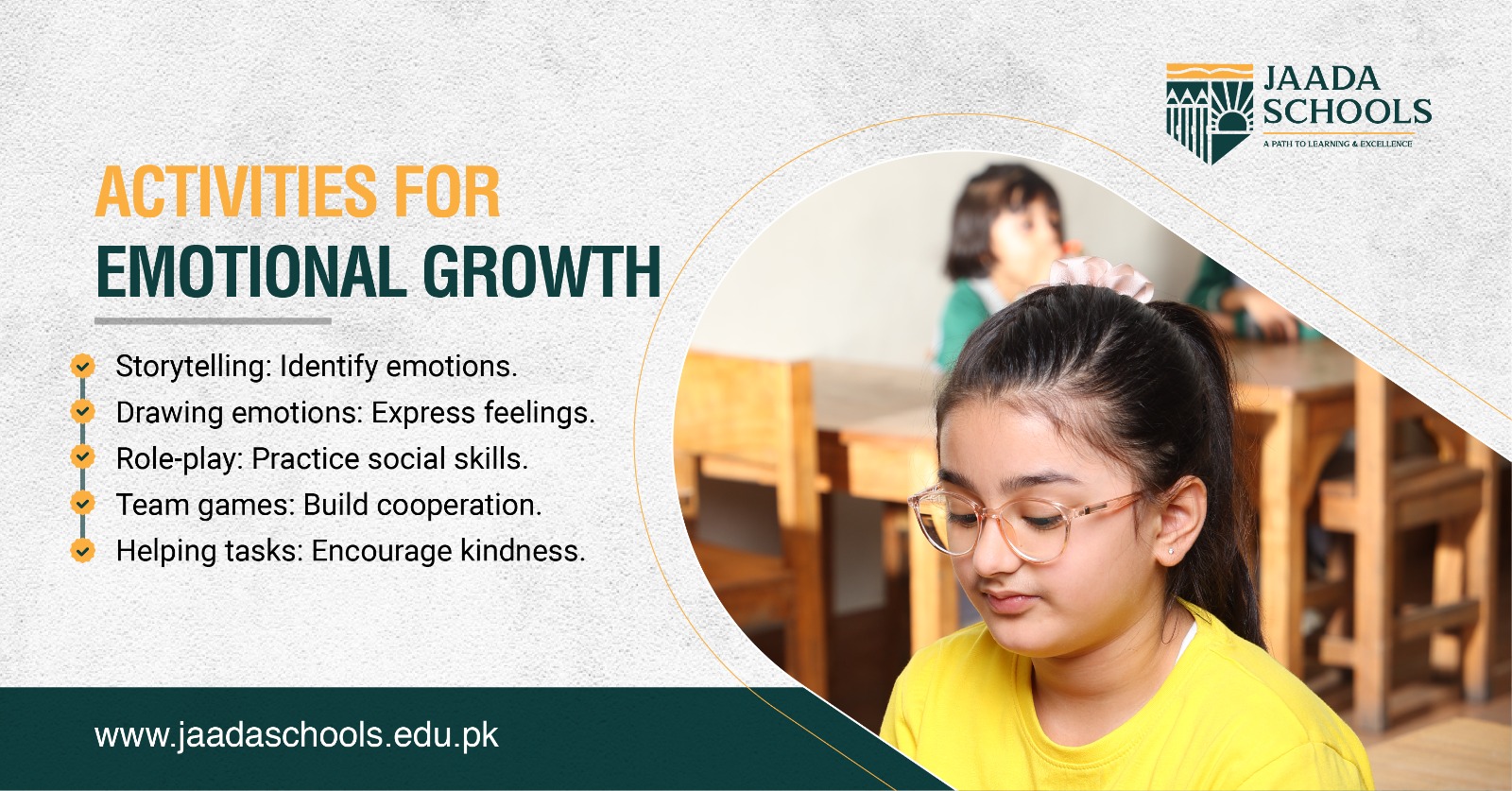
Encouraging emotional growth in children is essential for their overall development. Emotional intelligence allows children to understand their own feelings, connect with others, and navigate social situations confidently. There are several practical ways parents and teachers can help children grow emotionally while also enhancing creativity, social skills, and problem-solving abilities. By integrating simple exercises and activities into daily routines, children can gradually build self-awareness, empathy, and cooperation. Emotional education helps children recognize and express emotions in healthy ways, while collaborative activities teach them how to manage relationships effectively. Consistent guidance and support create a strong foundation for lifelong emotional growth and success.
Emotional Education Activities For Young Learners
Simple exercises like storytelling, drawing emotions, and role-playing help children identify their feelings, express themselves, and understand others’ emotions. These activities foster both creativity and social awareness in young learners.
Team-Building And Collaboration To Foster Social Skills
Group projects, games, and collaborative tasks teach children how to cooperate, share ideas, and resolve conflicts. Team-building experiences strengthen leadership, problem-solving skills, and the ability to manage emotions under pressure.
How to Develop Empathy in Students Effectively
Parents and teachers can promote empathy through active listening, perspective-taking exercises, and kindness-focused tasks. Encouraging children to support classmates or siblings helps them become compassionate, emotionally aware, and socially responsible individuals.
Role Of Parents And Schools In Emotional Development
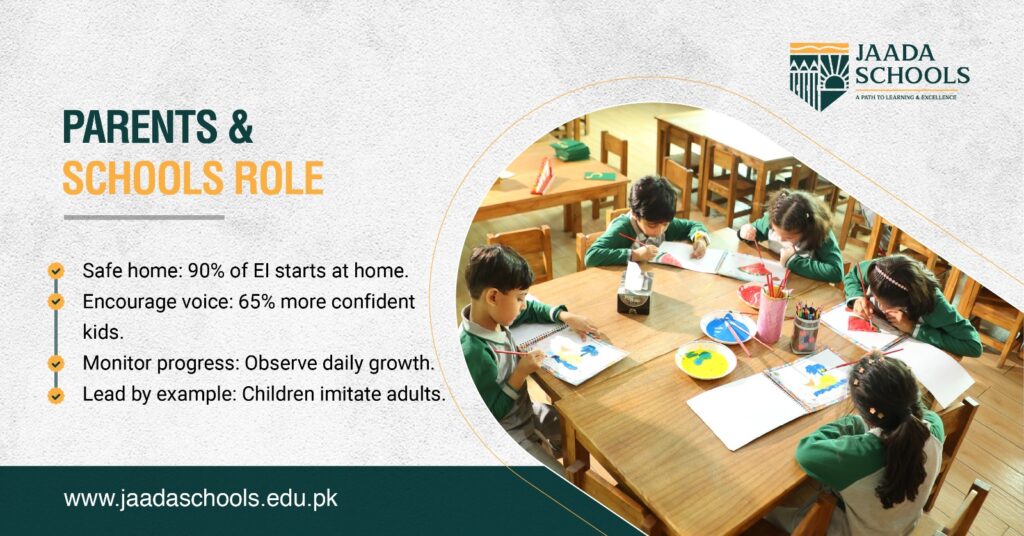
Developing emotional intelligence in children is a shared responsibility of parents and schools. Early guidance helps children understand their feelings, build empathy, and improve social skills. By creating supportive environments both at home and in classrooms, adults can guide children to express emotions confidently, handle challenges calmly, and develop strong self-awareness. This foundation ensures children grow into emotionally balanced and socially responsible individuals.
Supporting Emotional Development At Home
Parents can support emotional development in children by providing a safe environment for self-expression. Regular conversations about feelings, positive reinforcement, and patience help children understand their emotions and develop confidence.
Encouraging Self-Expression And Confidence
Allow children to express opinions, make small decisions, and explore interests. Encouraging self-expression builds confidence and emotional awareness. Children who feel heard and valued are more likely to develop empathy, resilience, and social skills.
Monitoring Progress And Providing Guidance
Parents and teachers should monitor emotional growth while offering guidance. Praise successes, discuss challenges calmly, and model healthy emotional behavior. Consistent support helps children develop strong emotional intelligence that benefits them in school and life.
How Jaada Schools Help in Emotional Intelligence?
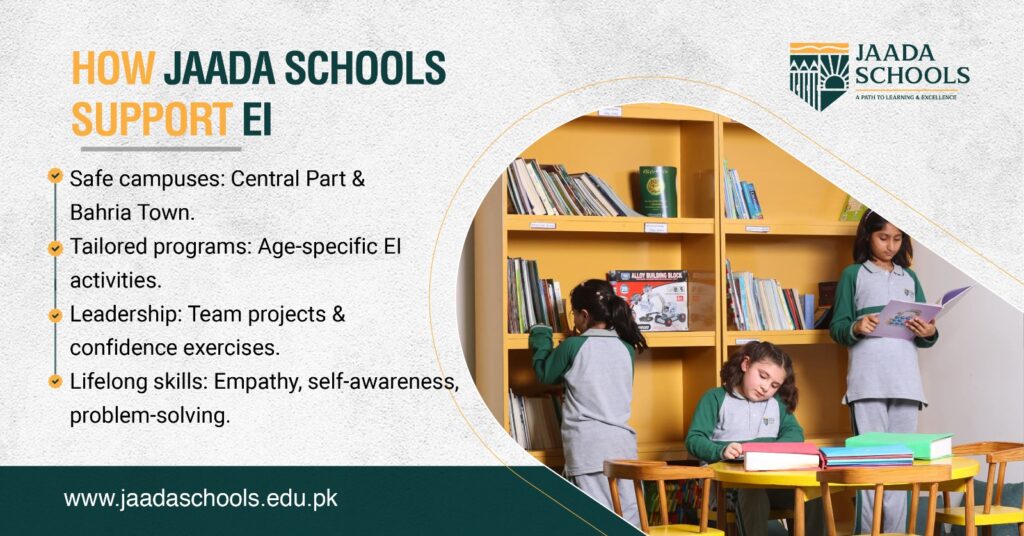
Jaada Schools in Lahore provide an outstanding environment for both emotional and academic growth. With campuses in Central Park and Bahria Town, children learn in safe, nurturing, and modern spaces that encourage exploration, creativity, and social interaction. The school focuses on emotional intelligence through tailored programs, hands-on activities, and personalized guidance, helping students build confidence, empathy, and lifelong skills while preparing them for future success.
Central Part and Bahria Town Campuses
Modern, safe, and supportive campuses where children can learn, play, and grow in a balanced environment.
Tailored Programs for Emotional Development
Age-appropriate exercises in emotional regulation, empathy, and teamwork to nurture each child’s emotional growth.
Focus on Leadership and Social Skills
Activities and lessons designed to strengthen communication, collaboration, and confidence in young learners.
Creating Lifelong Skills Through Emotional Learning
Students develop self-awareness, empathy, and problem-solving abilities, ensuring academic, social, and personal success while giving parents peace of mind.
Conclusion: Nurturing Emotional Intelligence For Lifelong Success
Focusing on emotional intelligence in the early years shapes confident, empathetic, and successful children. Both parents and schools play a critical role in shaping children’s emotional development. At Jaada Schools in Lahore, children receive top-quality emotional education alongside academic learning.
Our Central Part and Bahria Town campuses provide a safe, inspiring, and supportive environment where children can grow emotionally, socially, and intellectually. Investing in your child’s emotional growth today ensures a brighter, more successful tomorrow. Enroll now for a bright future for your child!
Frequently Asked Questions
How Does Emotional Intelligence Affect a Child’s Everyday Life?
Emotional intelligence helps children handle stress, communicate effectively, and build healthy relationships. Kids with strong emotional skills are better at problem-solving, making decisions, and adapting to new situations.
What Role Do Schools Play in Building Emotional Intelligence?
Schools provide structured opportunities for teamwork, leadership, and social learning. By combining emotional education with academic programs, schools like Jaada help children grow confident, empathetic, and socially responsible.
How Do Parents Know Their Child’s Emotional Skills Are Improving?
Signs include better self-expression, improved cooperation with peers, empathy toward others, and the ability to manage emotions calmly. Regular observation and supportive feedback help track progress in emotional development.